What Is the Difference Between Double- and Triple-Pane Tempered Glass?
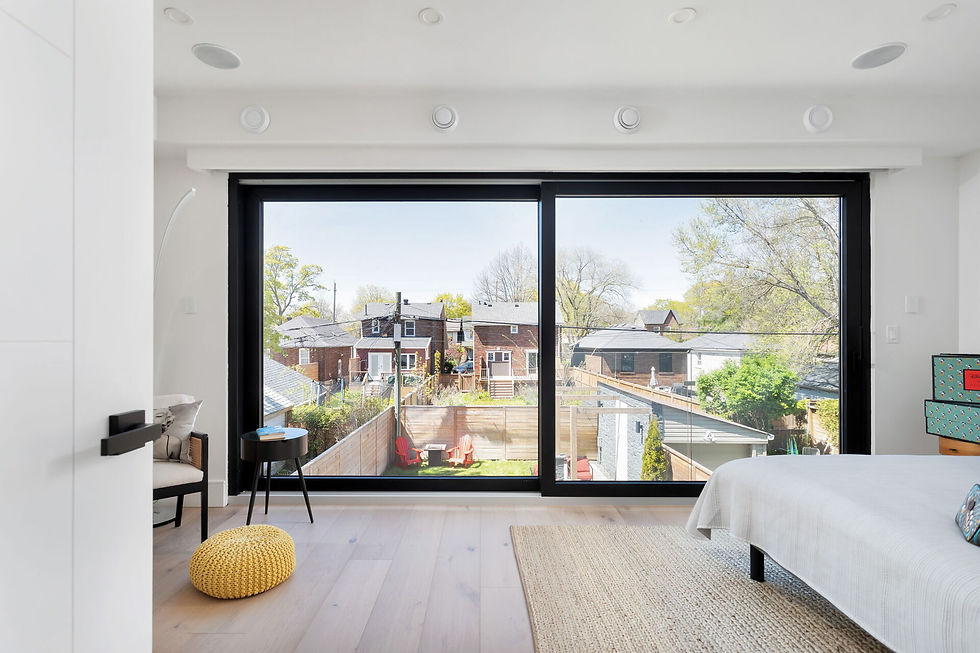
The main difference between double- and triple-pane tempered glass is the number of glass panes and insulated spaces within the window or door assembly.
A double-pane unit contains two panes of glass separated by one insulated cavity. A triple-pane unit contains three panes of glass and two insulated cavities. Tempered glass refers to the safety treatment applied to one or more of those individual panes.
This distinction is important because “tempered” and “triple-pane” do not describe the same feature:
Tempered glass relates primarily to safety, strength and breakage
Double or triple glazing relates primarily to insulation, comfort and energy efficiency
Triple-pane tempered glass can provide better insulation and improved cold-weather comfort, while double-pane tempered glass is generally lighter, less expensive and sufficient for many residential applications.
Is It Called Double-Tempered or Triple-Tempered Glass?
The terms “double-tempered glass” and “triple-tempered glass” are commonly used by homeowners, but they can be misleading.
The more accurate terms are:
Double-pane insulated glass
Double-glazed insulated glass unit
Triple-pane insulated glass
Triple-glazed insulated glass unit
Double-pane unit with tempered glass
Triple-pane unit with tempered glass
A double-pane window does not necessarily have two tempered panes. It could contain one tempered pane and one standard annealed pane, depending on the application and applicable safety requirements.
Similarly, a triple-pane window does not automatically mean all three panes are tempered. The manufacturer, designer or engineer may specify which individual panes require tempering.
What Is Tempered Glass?
Tempered glass is glass that has undergone a controlled heat-treatment process to increase its strength and change the way it breaks.
When standard annealed glass breaks, it can create large, sharp pieces. Fully tempered glass is designed to break into many smaller pieces, reducing the likelihood of serious cutting or piercing injuries. Tempered glass is therefore commonly used where safety glazing is required or where the glass may be exposed to impact or increased thermal stress.
Tempered glass is commonly used in:
Exterior and patio doors
Sliding glass doors
Door sidelights
Shower enclosures
Glass railings
Large windows
Windows close to walking surfaces
Glass near stairs or landings
Commercial storefronts
Interior glass partitions
The exact glass specification should be confirmed using the approved drawings, manufacturer’s requirements and applicable building-code provisions.
What Is Double-Pane Tempered Glass?
Double-pane tempered glass generally refers to an insulated glass unit containing two panes of glass, with at least one pane being tempered.
The two panes are separated by a spacer, creating a sealed cavity. This cavity may contain air or an inert gas such as argon or krypton to reduce heat transfer.
A typical energy-efficient double-pane unit may include:
An exterior pane of glass
A sealed insulating cavity
An interior pane of glass
A low-emissivity coating
An insulated or warm-edge spacer
Argon or krypton gas between the panes
One or both panes may be tempered when required for safety or performance.
Double-pane glass remains common in residential construction because it can offer a practical balance between cost, weight, energy efficiency and performance.
What Is Triple-Pane Tempered Glass?
Triple-pane tempered glass generally refers to an insulated glass unit containing three panes of glass and two sealed insulating cavities.
A typical triple-pane assembly includes:
An exterior glass pane
A first insulated cavity
A centre glass pane
A second insulated cavity
An interior glass pane
The cavities may contain argon or krypton gas, and one or more surfaces may receive low-emissivity coatings.
One, two or all three panes can potentially be tempered, depending on the design and safety requirements. However, homeowners should not assume that every pane in a triple-glazed unit has been tempered.
Natural Resources Canada states that triple-glazed products have three layers of glass and can be up to 50% more efficient than comparable double-glazed products. Actual performance varies based on the complete assembly, including the coatings, gas fill, spacers, frame, sash and installation quality. (Natural Resources Canada)
Double-Pane vs. Triple-Pane Tempered Glass
Number of Glass Panes
Double-pane glass contains two panes.
Triple-pane glass contains three panes.
The additional pane in a triple-glazed unit creates a second insulated cavity, which can reduce heat transfer through the glass assembly.
Energy Efficiency
Triple-pane windows generally provide better thermal performance than comparable double-pane windows.
Natural Resources Canada reports that better-performing double-glazed windows can have U-factors of approximately 1.2 W/m²·K or lower, while triple-glazed products can achieve U-factors as low as approximately 0.8 W/m²·K. A lower U-factor indicates better resistance to heat transfer. (Natural Resources Canada)
However, pane count alone does not determine the quality of a window.
A well-designed double-pane window with high-performance low-e coatings, argon gas, insulated spacers and a quality frame may outperform a poorly designed triple-pane product.
Homeowners should compare the certified whole-window U-factor or Energy Rating rather than relying only on the words “double-pane” or “triple-pane.”
In Canada, the energy performance of windows, doors and skylights is tested using the CSA A440.2 standard. (Natural Resources Canada)
Interior Comfort
Triple-pane windows can help keep the interior glass surface warmer during Toronto winters.
A warmer interior surface may:
Make rooms feel more comfortable
Reduce cold drafts near windows
Improve comfort beside large glass walls
Reduce the likelihood of interior condensation
Help maintain more consistent room temperatures
Triple glazing can be particularly valuable in bedrooms, living rooms and open-concept spaces containing large windows.
Condensation Resistance
Triple-pane windows generally provide better resistance to interior condensation because the innermost pane tends to remain warmer during cold weather.
However, condensation can still occur when:
Indoor humidity is too high
Outdoor temperatures are extremely low
Window frames or spacers conduct excessive heat
Air circulation around the window is restricted
Curtains or blinds trap moist air against the glass
The window was installed incorrectly
Natural Resources Canada identifies triple glazing and low-e coatings as features that can contribute to improved energy performance and condensation resistance. (Natural Resources Canada)
Noise Reduction
Triple-pane glazing may provide improved exterior noise reduction, particularly when the complete assembly has been designed for acoustic performance. Natural Resources Canada lists better exterior noise reduction as one potential advantage of triple glazing. (Natural Resources Canada)
However, adding a third pane does not automatically create a soundproof window.
Acoustic performance also depends on:
Glass thickness
Different thicknesses between panes
Width of the air spaces
Laminated acoustic glass
Frame construction
Window seals
Installation quality
Air leakage around the opening
A properly engineered double-pane laminated glass unit can sometimes be a better acoustic solution than a basic triple-pane unit.
For homes near highways, rail corridors, airports or busy Toronto streets, the window should be selected using its tested acoustic rating rather than pane count alone.
Safety
Triple-pane glass is not automatically safer than double-pane glass.
Safety depends on the type of glass used in each layer.
For example:
A double-pane unit with two tempered panes may offer more appropriate safety glazing than a triple-pane unit containing three standard annealed panes.
A laminated glass pane may remain together after breakage, while non-laminated tempered glass can fall away from the frame after breaking.
Certain applications may require tempered or laminated safety glass based on the location and use of the glazing.
Tempered glass is designed to break into smaller pieces, while laminated glass contains an interlayer that helps retain the broken glass. These products solve different safety concerns and are not always interchangeable. (Guardian Glass)
Weight
Triple-pane units are heavier than comparable double-pane units because they contain an additional layer of glass.
The additional weight can affect:
Frame selection
Window hardware
Hinge capacity
Operating force
Maximum window size
Structural support
Transportation
Installation labour
This is particularly important for large casement windows, sliding doors and oversized custom-home glazing.
The frame and operating hardware must be designed to support the complete glass unit. Adding triple glazing to a frame that was not engineered for it can result in poor operation or premature hardware problems.
Thickness
Triple-pane insulated glass units are generally thicker than double-pane units.
The required overall thickness depends on:
Thickness of each glass pane
Width of each insulated cavity
Spacer design
Low-e coating location
Gas fill
Frame capacity
Structural and wind-load requirements
A triple-pane replacement unit may not fit into an existing frame designed for double glazing. The entire window assembly may need to be replaced.
Natural Light and Appearance
Triple-pane glass may transmit slightly less visible light than an equivalent double-pane unit because sunlight passes through an additional pane and potentially additional coatings.
The visual difference may be minor, but it can become more noticeable when:
Dark or reflective coatings are used
Multiple low-e coatings are applied
Tinted glass is selected
The window faces a shaded exposure
The home has deep roof overhangs
The room already receives limited daylight
The selected glass sample should be reviewed before ordering large quantities for a custom home.
Cost
Triple-pane tempered glass generally costs more than double-pane tempered glass.
The increased price may reflect:
An additional pane of glass
A second sealed cavity
Additional spacers and sealants
More complex manufacturing
Increased shipping weight
Heavier-duty frames and hardware
More difficult installation
Additional low-e coatings
Tempering of multiple panes
Whether the upgrade is worthwhile depends on the size of the home, number of windows, energy goals, orientation, heating system and intended comfort level.
Installation
Installation quality is essential for both double- and triple-pane windows.
Even a high-performance triple-pane unit may underperform when:
The rough opening is not properly prepared
The window is installed out of square
Perimeter gaps are not insulated
Flashing is incomplete
Air barriers are not connected properly
Exterior seals fail
Drainage paths are blocked
The frame is distorted during fastening
The glass, frame and installation must function as one complete system.
Does Tempered Glass Improve Energy Efficiency?
Tempering does not, by itself, significantly improve the insulating value of a window.
The tempering process is primarily used to change the strength and breakage characteristics of the glass.
Energy performance is improved through features such as:
Additional panes
Low-e coatings
Argon or krypton gas
Insulated spacers
Thermally efficient frames
Reduced air leakage
Proper installation
A triple-pane window may have tempered glass and excellent thermal performance, but those are two separate characteristics.
Does Every Pane Need to Be Tempered?
Not necessarily.
The number and location of tempered panes depend on:
Where the window or door is installed
Whether the glass is located in a door
Proximity to floors, stairs or walking surfaces
Size and configuration of the glass
Risk of human impact
Structural design
Thermal-stress exposure
Manufacturer’s specifications
Applicable building-code requirements
Ontario’s Building Code contains safety-glazing requirements for specific locations, including provisions relating to glazing in doors and sidelights. The exact requirement should be confirmed for the specific opening rather than assumed based only on pane count. (ontario.ca)
Double-Pane Tempered Glass Advantages
Double-pane tempered glass may provide:
Lower initial cost
Reduced weight
Easier installation
Wider product availability
Good energy performance with appropriate coatings
Less strain on operating hardware
Compatibility with more existing frames
Safety performance where tempered glass is specified
Double-pane windows can remain a strong choice for renovations, rental properties, commercial projects and areas where the additional performance of triple glazing does not justify the cost.
Double-Pane Tempered Glass Disadvantages
Potential disadvantages include:
Lower insulation than a comparable triple-pane unit
Colder interior glass during winter
Increased potential for condensation
Less protection against exterior noise
Reduced comfort beside large windows
Higher heat loss in very energy-efficient homes
Triple-Pane Tempered Glass Advantages
Triple-pane tempered glass may provide:
Better thermal insulation
Warmer interior glass surfaces
Improved cold-weather comfort
Better condensation resistance
Potential exterior noise reduction
Reduced heat loss
Strong performance in energy-efficient custom homes
Improved comfort around large glass openings
Triple-pane windows are especially attractive for custom homes with extensive glazing, high-performance building envelopes or long-term energy-efficiency goals.
Triple-Pane Tempered Glass Disadvantages
Potential disadvantages include:
Higher purchase price
Increased weight
Thicker window assemblies
More expensive hardware
More difficult handling
Potentially reduced visible light
Higher replacement cost
Limited compatibility with existing frames
Smaller operating sizes for certain window styles
Is Triple-Pane Tempered Glass Worth It in Toronto?
Triple-pane glass can be worthwhile in Toronto because homes experience cold winters, hot summers and significant seasonal temperature changes.
It may be particularly valuable when:
Building a new custom home
Completing a major home addition
Installing large floor-to-ceiling windows
Pursuing a high-performance building envelope
Designing a net-zero or near-net-zero home
Reducing condensation is a priority
The home is located near traffic or rail noise
Rooms feel uncomfortable beside existing windows
The homeowner plans to remain in the property long term
Double-pane glass may be sufficient when:
The budget is limited
Window openings are relatively small
Existing frames cannot support triple glazing
The home is not being upgraded as a complete envelope
High-quality double-pane products meet the project’s energy targets
The project involves a rental or shorter ownership period
The decision should be based on the certified performance of the entire window—not simply the number of panes.
What Should Homeowners Compare Before Buying Windows?
Before choosing double- or triple-pane tempered glass, compare:
Whole-Window U-Factor
A lower U-factor indicates better resistance to heat loss.
Energy Rating
The Energy Rating considers multiple performance characteristics and can help compare window products intended for Canadian climates.
Solar Heat Gain Coefficient
Solar heat gain affects how much heat from the sun enters through the glass.
A higher solar heat gain may be beneficial on certain south-facing elevations, while lower solar heat gain may help control overheating on other exposures.
Air Leakage
Air leakage can greatly affect comfort and energy performance. A window with excellent glass but poor seals may still feel drafty.
Condensation Resistance
This rating can help evaluate how well the interior surface resists condensation under cold conditions.
Visible Transmittance
Visible transmittance indicates how much daylight passes through the window.
Safety-Glass Specification
Confirm which panes are tempered or laminated and why.
Frame Material
Vinyl, fibreglass, wood, aluminum and hybrid frames provide different levels of thermal performance, durability and design flexibility.
Installation Method
Confirm how the window will connect to the wall’s air, water and thermal-control layers.
Double- or Triple-Pane Glass for a Custom Home?
For a Toronto custom home, window selection should be coordinated early in the design process.
The architect, energy consultant, mechanical designer and builder may need to consider:
Window-to-wall ratio
Orientation of the house
Room-by-room heat loss
HVAC system sizing
Solar heat gain
Exterior shading
Building-envelope targets
Window size and structural loads
Tempered or laminated safety-glass locations
Interior condensation risk
Budget and design priorities
Choosing windows after framing has started can limit product options and create expensive changes.
Large custom windows may require structural revisions, specialty frames, engineered headers and longer manufacturing lead times. Triple-pane units may also affect the maximum allowable size of operable windows due to their additional weight.
Frequently Asked Questions
What is the difference between double- and triple-pane tempered glass?
Double-pane glass contains two panes and one insulated cavity. Triple-pane glass contains three panes and two insulated cavities. Tempered refers to the safety treatment applied to one or more individual panes.
Is triple-pane glass three times more efficient?
No. Triple-pane glass is not automatically three times more efficient than double-pane glass. Natural Resources Canada states that triple-glazed products can be up to 50% more efficient than double-glazed products, but performance varies by product. (Natural Resources Canada)
Is triple-pane glass always tempered?
No. Triple-pane describes the number of panes, not the glass treatment. One, two, three or none of the panes may be tempered, depending on the product and application.
Is tempered glass better for windows?
Tempered glass is beneficial where increased strength or safety glazing is required. It does not automatically provide better insulation than standard glass.
Is triple-pane glass better for Toronto winters?
Triple-pane glass generally offers improved insulation, warmer interior surfaces and better condensation resistance, making it a strong option for Toronto’s cold winters.
Does triple-pane glass reduce noise?
It can help, but pane thickness, cavity dimensions, laminated glass, frame design and installation also affect sound reduction.
Is triple-pane glass worth the extra money?
It may be worthwhile for custom homes, large windows, high-performance renovations and homeowners prioritizing long-term comfort. High-quality double-pane windows may remain more cost-effective for other projects.
Can double-pane windows contain tempered glass?
Yes. One or both panes in a double-glazed insulated unit can be tempered.
Can triple-pane windows contain laminated glass?
Yes. A triple-pane assembly can include laminated, tempered, heat-strengthened or annealed panes, depending on the design and manufacturer.
Which is better: tempered or laminated glass?
Neither is universally better. Tempered glass breaks into smaller pieces, while laminated glass is designed to remain held together by an interlayer after breakage. The appropriate product depends on the application.
Can triple-pane glass fit into an existing double-pane frame?
Usually not without confirming the frame’s glazing capacity. Triple-pane units are generally thicker and heavier than double-pane units.
Does tempered glass make a window more energy efficient?
Not by itself. Insulation is primarily affected by pane count, low-e coatings, gas fills, spacers, frames, seals and installation.
Final Verdict: Double or Triple-Pane Tempered Glass?
Choose double-pane tempered glass when you want a cost-effective, lighter and energy-efficient window system that meets the project’s safety and performance requirements.
Choose triple-pane tempered glass when maximum energy efficiency, winter comfort, condensation resistance and improved thermal performance are priorities.
The best choice is not simply the window with the most glass. It is the complete window assembly that provides the right balance of:
Safety
Energy efficiency
Comfort
Durability
Appearance
Acoustic performance
Cost
Installation quality
At 416 Construction, we coordinate architectural design, building permits, structural requirements, energy-efficiency documentation and complete construction for custom homes, additions and major renovations throughout Toronto and the Greater Toronto Area.
Our design-build approach allows window and glass specifications to be reviewed as part of the entire building envelope, helping homeowners choose products that support the home’s design, comfort and long-term performance.


Comments